
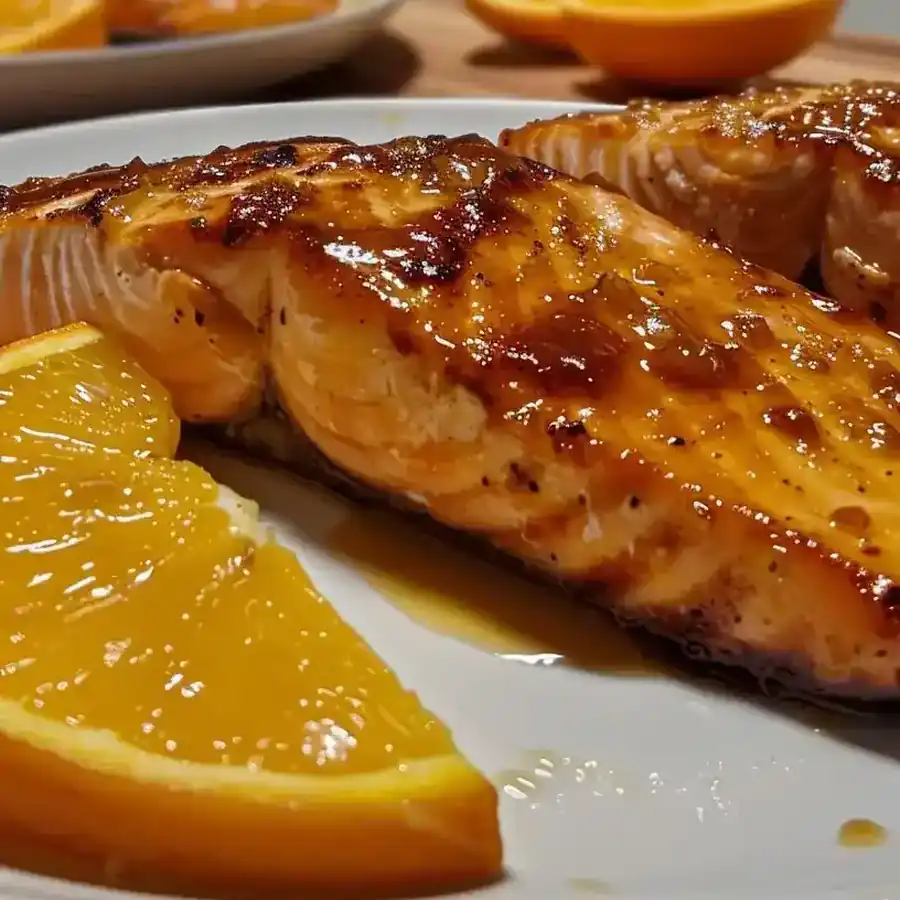
Introduction |
There’s something about the zesty splash of orange that instantly lifts a simple salmon fillet from ordinary to extraordinary. When the first brine of fresh orange marmalade meets hot oven air, it creates a caramelized glaze that curls around the fish like a lemony ribbon.
I first discovered this trick in a cramped kitchen while juggling a busy workday and a craving for something flavorful but uncomplicated. The result was a dish that demanded no fancy tools—just a handful of pantry staples and twenty minutes.
From the moment the first aroma wafted through the kitchen, my guests knew they were in for a treat: sweet, tangy, and silky buttery salmon that pairs flawlessly with rice, quinoa, or a light salad. No elaborate prep, no endless cleanup—just pure, citrus‑infused satisfaction.
- ●●Super quick—ready in about 20 minutes.
- ●●Minimal cleanup: everything goes straight into the oven.
- ●●Taste profile is a bright orange hit that brightens any meal.
- ●●High‑protein, low‑carb dish perfect for healthy eating.
- ●●Can be customized: add chili flakes or use brown rice.
Essential Ingredients |
4 salmon fillets (6‑8 oz each) – choose firm, skin‑on fillets for maximum flavor.
2 tbsp olive oil – helps glaze stick and gives a subtle finish.
1/4 cup orange marmalade – the sweet backbone; use a high‑quality version for depth.
2 tbsp soy sauce – adds savory umami that balances the citrus.
1 tbsp honey – creates a silky glaze and a hint of caramel.
1 tsp grated fresh ginger – brightens the dish with a peppery kick.
Zest of 1 orange – the star of the show, infusing bright citrus oils.
Salt and pepper to taste – season the fillets before baking.
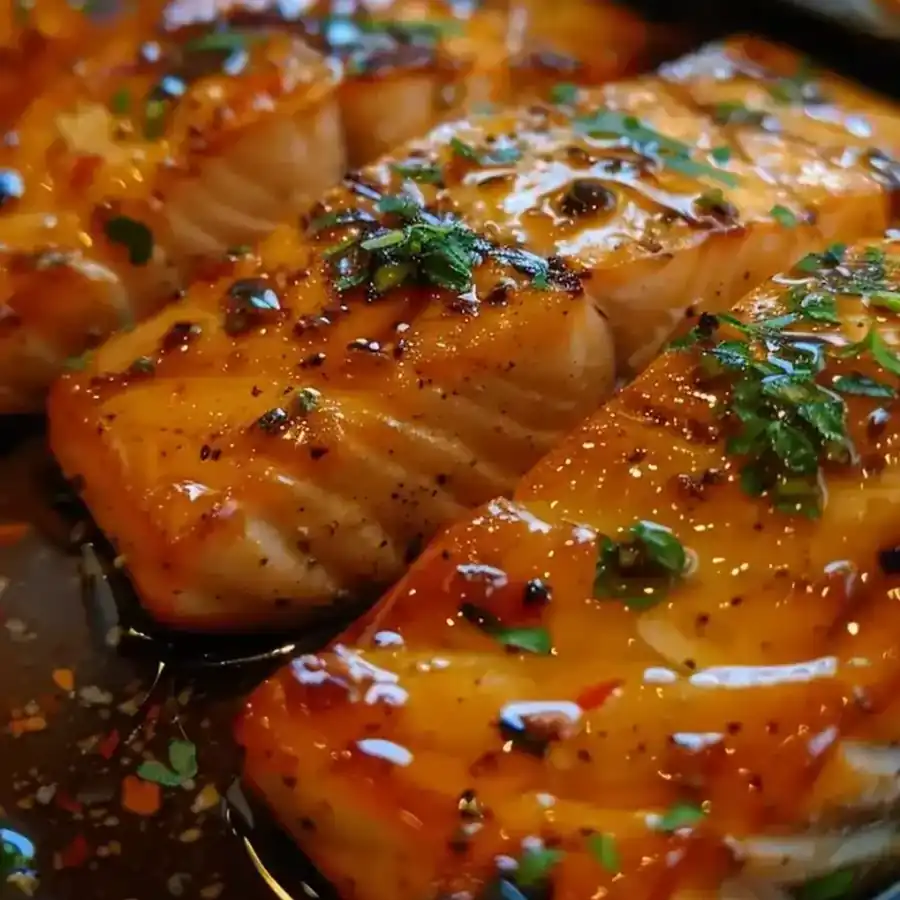 Let’s Make it Together |
- Preheat your oven to 400°F (200°C) and line a baking sheet with parchment paper.
- Pat salmon fillets dry, then brush with olive oil and sprinkle both sides with salt and pepper.
- In a small bowl, whisk together orange marmalade, soy sauce, honey, ginger, and orange zest until smooth.
- Place fillets on the prepared sheet and pour one‑third of the glaze over each fillet, reserving the rest.
- Bake for 10–12 minutes, or until the salmon flakes easily with a fork and the glaze caramelizes.
- Halfway through, baste each fillet with the remaining glaze for extra sheen and flavor.
●Smaller fillets cook faster; keep an eye on the timer and tent the pan with foil if the glaze begins to burn.
●Choose a non‑stick baking sheet or parchment to prevent the glaze from scorching onto the pan.
●The glaze thickens as it cools; if it becomes too runny, whisk in a teaspoon of cornstarch dissolved in a tablespoon of water.
●Using apple cider or white wine instead of water in the glaze adds a subtle fruity undertone.
●Trim any pin bones before seasoning to ensure a silky, boneless bite.
Perfecting the Cooking Process |
For ideal flakiness, bake salmon at a steady 400°F; a lower temperature can make the fillets dry out, while a higher heat can scorch the sugary glaze. Use a thermometer—don’t exceed 145°F internal temperature for perfectly moist fillets.
Don’t lift the fillets during baking; let the glaze set undisturbed to achieve a glossy, caramelized finish. If you prefer a crispier exterior, finish under the broiler for 1–2 minutes.
Add Your Touch |
Swap orange marmalade for a combination of honey and fresh orange juice for a lighter glaze, and sprinkle crushed red pepper flakes for a subtle heat. Serve the salmon over quinoa or cauliflower rice and drizzle with the leftover glaze for a burst of flavor.
If you’re a seafood purist, replace salmon with cod or tilapia; the citrus glaze works universally. For a smoky note, add a pinch of smoked paprika to the glaze mixture.
Storing & Reheating |
Store cooked salmon in an airtight container in the refrigerator for up to 3 days. Wrap each fillet in parchment or foil to maintain moisture.
To reheat, place the fillet on a microwave‑safe plate and cover with a damp paper towel for 1–2 minutes, or gently warm in a 300°F oven for about 5 minutes until heated through.
●Round the edge of each fillet with a sharp knife to create a uniform surface for even glaze adhesion.
●Use a light hand when brushing oil; excess oil can cause the glaze to run off and form sticky puddles.
●For a vibrant presentation, sprinkle fresh chopped cilantro or chopped scallions before serving.
●If you’re short on orange zest, a splash of orange extract will mimic the citrus oil, but use sparingly to avoid overpowering the dish.
●Before adding gluten‑free soy sauce, pick an organic or low‑sodium version to keep the glaze balanced.
FAQ |
- ●Q: Can I use frozen salmon fillets? A: Yes, thaw them overnight and pat dry before seasoning.
- ●Q: What if I don’t have orange marmalade? A: Substitute with 1/4 cup honey and 2 tbsp orange juice for a similar sweetness.
- ●Q: How can I make this recipe vegetarian? A: Swap the salmon for firm tofu or a plant‑based fish alternative, and bake as directed.
- ●Q: Is the glaze too sweet for my taste? A: Reduce honey or marmalade add a splash of vinegar to balance the sweetness.
Quick & Easy Orange Glazed Salmon: A Citrus Delight

This orange‑glazed salmon delivers a burst of citrusy sweetness with a subtle umami kick, all in just minutes.
- Prep Time: 15 minutes
- Cook Time: 10 minutes
- Total Time: 25 minutes
- Yield: 4 servings 1x
- Category: Dinner
- Method: Baking
- Cuisine: American
Ingredients
- 4 salmon fillets (6‑8 oz each)
- 2 tbsp olive oil
- 1/4 cup orange marmalade
- 2 tbsp soy sauce
- 1 tbsp honey
- 1 tsp grated fresh ginger
- Zest of 1 orange
- Salt and pepper to taste
Instructions
- Preheat oven to 400°F (200°C) and line a baking sheet with parchment paper.
- Pat salmon fillets dry, then brush with olive oil and season both sides with salt and pepper.
- In a small bowl, whisk together orange marmalade, soy sauce, honey, ginger, and orange zest until smooth.
- Place fillets on the prepared sheet and pour portion of glaze over fillets, reserving the rest.
- Bake for 10–12 minutes or until salmon flakes easily and glaze caramelizes, baste halfway.
- Serve immediately with remaining glaze or over grains.