

Introduction |
Last summer, a traveling pastry chef named Marisol slipped a parchment recipe into my kitchen drawer, claiming she had found a secret heirloom recipe for English muffins that would outshine any bakery staple.
Back then, I was flattered but skeptical; I thought a recipe would need a touch of adventure but no, a simple mixture could bring something extraordinary to a breakfast plate.
Now, remembering that taste, I set about perfecting the dough, uncovering a kitchen blunder that often trips novices: overlooking the importance of starter temperature and letting the yeast lose its fizz, I learned a vital lesson: warm liquids awaken leavening ability.
-
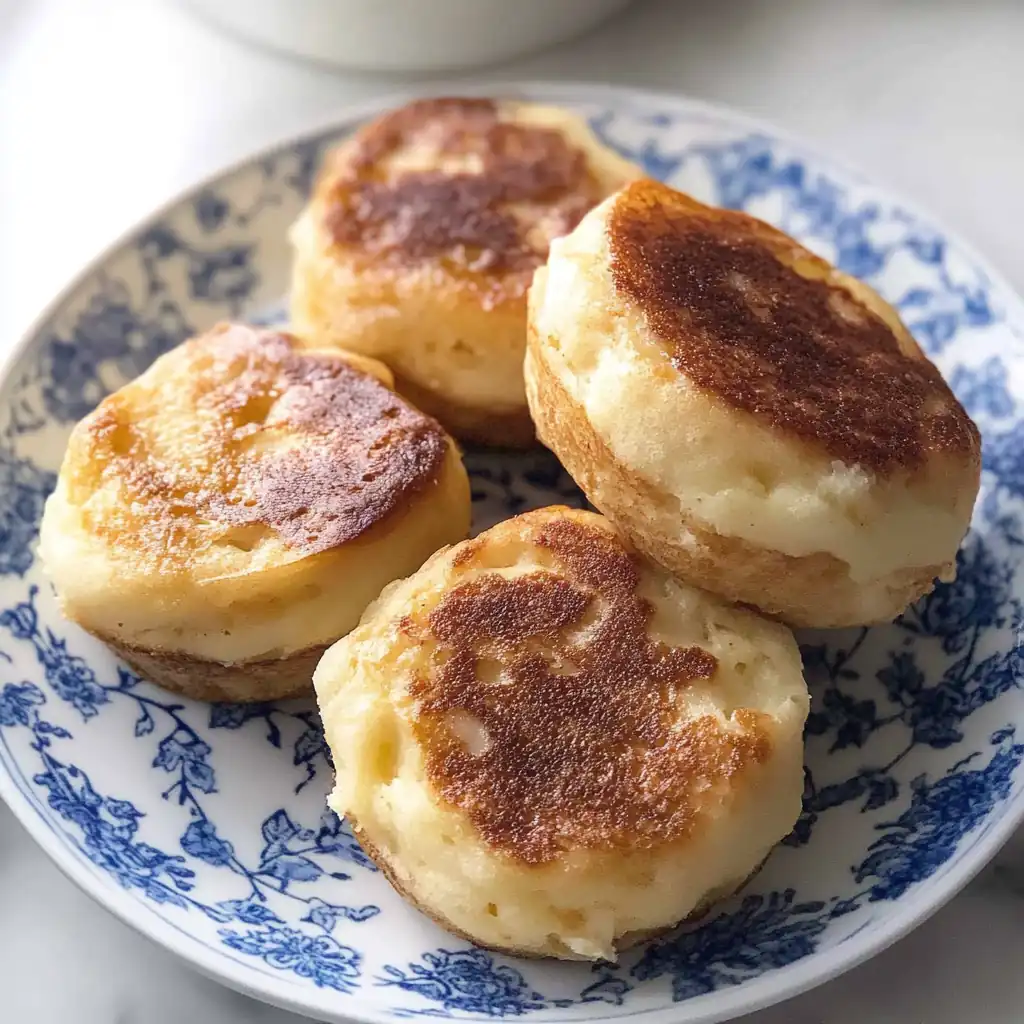
- ●Explosive crackling on the top creates a satisfying contrast to the chewy middle.
-
- ●Customizable with herbs, cheese, or even a drizzle of honey for sweetness.
-
- ●Quick rise thanks to active dry yeast, giving a homemade touch without the wait.
-
- ●Easy substitutions make it gluten‑free or low‑carb without losing flavor.
-
- Pair it with savory spreads or breakfast classics for a versatile start to any day.
Essential Ingredients |
All-Purpose Flour: Protein molecules form gluten when water is added, allowing the dough to rise and produce the chewed texture characteristic of a well‑made English muffin.
Active Dry Yeast: Yeast ferments sugars, releasing carbon dioxide that creates air pockets; proper activation ensures an even rise and golden crust.
Granulated Sugar: Fuels yeast activity and balances acidity, while caramelizing slightly during baking for subtle sweetness.
Salt: Controls yeast fermentation, enhances flavor, and tightens gluten strands for structure.
Warm Milk: Milk proteins enrich the dough, while its mild heat activates yeast and contributes to a tender crumb.
Warm Water: Offers extra moisture, helps hydrate flour, and maintains an optimal temperature for yeast activity.
Melted Butter: Lipids coat the dough, encouraging a more tender surface and a richly buttery aroma.
Egg: Provides emulsification, adds structure, and contributes shine to the crumb.
Optional Vanilla Extract: Adds depth of flavor and counterbalances the yeast’s subtle earthiness.
 Let’s Make it Together |
-
- Whisk flour, yeast, sugar, and salt in a large bowl until they mingle like enthusiastic neighbors preparing a party.
-
- In a separate cup, combine warm milk, warm water, melted butter, and egg, then stir until the mixture feels like a silky tide.
-
- Pour the wet mixture into the dry packet, stirring gently until just combined; you’ll see the dough swell with hints of air bubbles.
-
- Transfer the dough onto a lightly floured surface, knead for about five minutes until it feels elastic and no longer sticky—a simple test is a stretch‑and‑snap trick.
-
- Shape the kneaded mass into a ball, place it in a butter‑oiled bowl, cover with a clean towel, and let rise in a warm, draft‑free spot for forty minutes or until doubled in size.
-
- Once risen, punch the dough to release built‑up gases, divide it into eight equal portions, roll each into a smooth cylinder, and rest on parchment‑lined sheets while your oven warms to 190 °C (375 °F).
-
- Give each loaf a light brush of melted butter, bake for sixteen minutes until golden brown, the center turning airy and filling the kitchen with a savory fragrance.
-
- Allow muffins to cool a few minutes before slicing; this reduces the risk of sticking and preserves the crisp top.
Too dry a dough invites a crumbly muffin, so keep an eye on the hydration level and adjust with a teaspoon of milk if needed.
While the dough is rising, avoid placing it over direct heat; capricious temperature shifts stall yeast activity and flatten the rise.
When refrigerating leftovers, wrap them tightly in foil so the moist interior doesn’t steam against the wrapper and lose crispness.
Never skip the light butter brush; it seals the surface, preventing air from escaping and yields a soft top rather than a hard crust.
Monitoring oven temperature with a calibrated probe prevents the outer dough from browning too quickly while the interior stays undercooked.
Perfecting the Cooking Process |
Set the oven to 375 °F (190 °C) two minutes before placing muffins in the middle rack; a slight incline helps them rise evenly while keeping the crust crisp.
Use a silicone dough ring or parchment circles to coax classic high, round shape; this uniformity also ensures even heat distribution so each muffin reaches perfect browning.
Add Your Touch |
For an aromatic twist, sprinkle sea salt and cracked pepper just before the final bake; the salt crystals release micro‑crackles that enhance the flavor profile.
Swap the standard yogurt for Greek yogurt or buttermilk in the wet mix to add tanginess and create a richer crumb without extra sugar.
Storing & Reheating |
Store baked muffins in an airtight container at room temperature for up to three days; refrigeration extends freshness without drying the dough.
Reheat a slice in a toaster or oven lamp set to 300 °F (150 °C) until warm, then top with butter for that classic breakfast glow.
1To reinforce structural integrity, beat the egg alone before mixing with liquids; this ensures a consistent emulsion that carries flavors throughout.
2For maximum rise, proof yeast separately with a pinch of sugar; if the mixture bubbles swiftly, yeast is active; if it stalls, fresh yeast is recommended.
3If you desire a darker crust, brush a light glaze of egg wash before the last five minutes of baking; the protein will shine.
4In a hot climate, keep dough in a covered, cooler spot; high humidity often quells yeast activity, leading to denser muffins.
5During refrigeration, thaw muffins completely before reheating to avoid moisture condensation building a soggy texture.
Presentation Ideas |
Arrange the muffins on a parchment‑lined tray, drizzle with a thin butter glaze, then slide them into a preheated oven for golden perfection. As they bake, the scent unfurls, turning ordinary mornings into a fragrant treasure chest for everyone today.
After removal, let them rest on a rack until cool, then slice horizontally, spread butter, crown with jam or smoked salmon. Pair with fresh berries or a toasted sandwich, then serve or gift to friends for a warm morning treat.
FAQ |
English Muffins for Delicious Breakfast Bliss

A crisp, buttery English muffin with a chewy middle and golden top, baked in under 40 minutes.
- Prep Time: 20 minutes
- Cook Time: 20 minutes
- Total Time: 40 minutes
- Yield: 8 muffins 1x
- Category: Breakfast
- Method: Baking
- Cuisine: American
Ingredients
- 3 cups all-purpose flour
- 1 tablespoon active dry yeast
- 2 tablespoons sugar
- 1 teaspoon salt
- 1 cup warm milk
- ¼ cup warm water
- 2 tablespoons melted butter
- 1 egg
- 1 teaspoon vanilla extract (optional)
Instructions
- Whisk dry ingredients together.
- Combine warm milk, water, butter, and egg; stir until silky.
- Add wet mixture to dry; stir until incorporated.
- Knead dough on flour‑dusted surface for 5 minutes until elastic.
- Shape dough into a ball, cover, and let rise 40 minutes.
- Punch dough, divide into 8, roll cylinders, resting on parchment.
- Brush with melted butter, bake 16 minutes at 375°F.
- Cool a few minutes before slicing.