
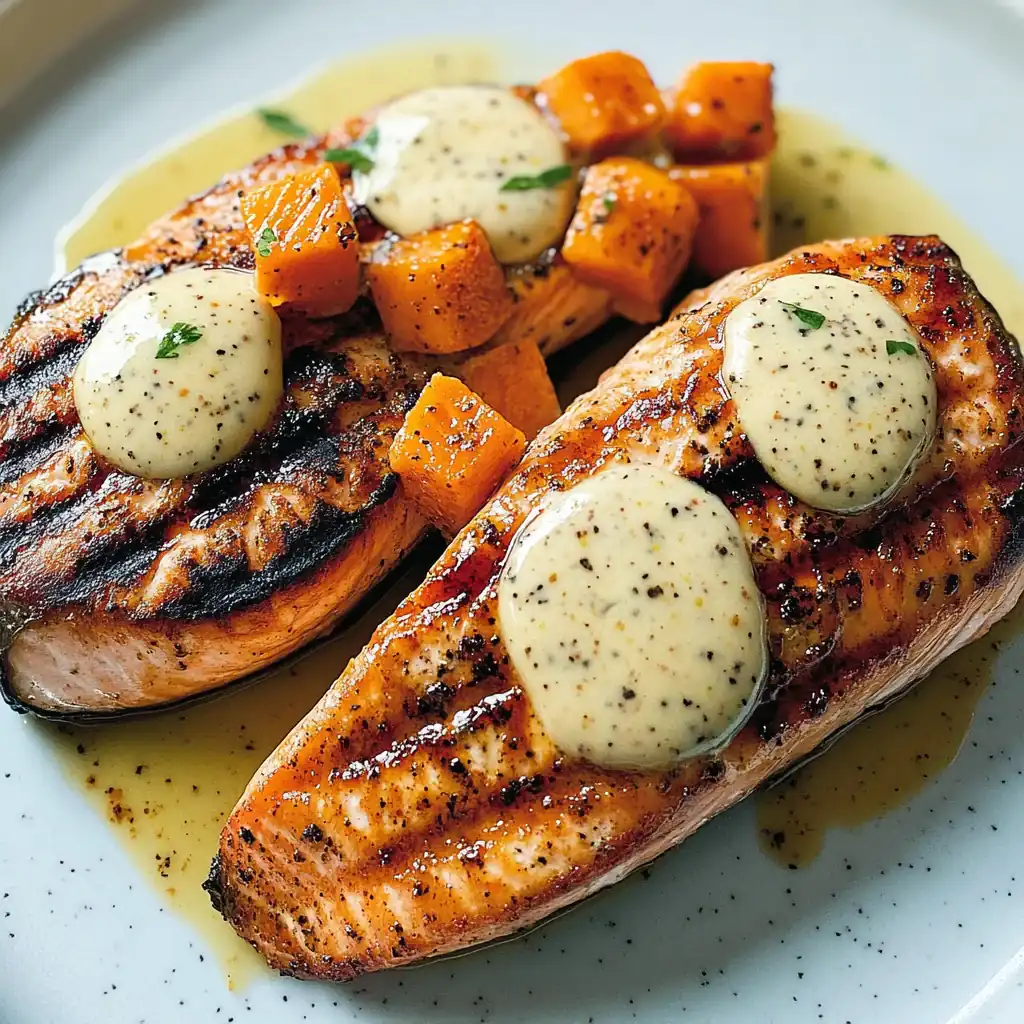
Introduction |
I once believed that mixing land and sea proteins on a single platter was a culinary crime, and my first attempt proved me right. I overcrowded the grill, causing the salmon to overcook into a dry husk while the beef remained raw in the center, leaving me with a plate of disappointment and a very confused partner.
I almost gave up on this recipe until I realized the secret lay in the staggered timing and temperature management. protein as a distinct entity with a shared flavor profile, I discovered how the richness of the beef actually complements the fatty oils of the salmon, creating a harmony I never expected.
- ●The high protein density makes this a satisfying meal for athletes and foodies alike.
- ●It utilizes a single heat source, reducing the cleanup associated with multiple pans.
- ●The contrasting textures provide a sophisticated mouthfeel that mimics high-end steakhouse offerings.
- ●A unified marinade ensures that the beef and fish share a cohesive flavor bridge.
- ●It transforms a standard dinner into a celebratory event through its bold presentation.
Essential Ingredients |
Beef Tenderloin provides the hearty, savory foundation of the dish. Substitute with ribeye for a more marbled, buttery texture.
Fresh Salmon Fillets offer a rich, omega-3 heavy contrast to the meat. Substitute with steelhead trout for a leaner alternative.
Soy Sauce acts as the primary salt element and adds deep umami notes. Substitute with coconut aminos for a gluten-free version.
Brown Sugar creates a caramelized crust on the grill. Substitute with maple syrup for a more woody, autumnal sweetness.
Fresh Garlic introduces a pungent, aromatic sharpness that cuts through the fat. Substitute with garlic powder if fresh cloves are unavailable.
Smoked Paprika gives the proteins a charred, outdoor flavor even if using an indoor grill. Substitute with cumin for an earthier, Mexican-inspired profile.
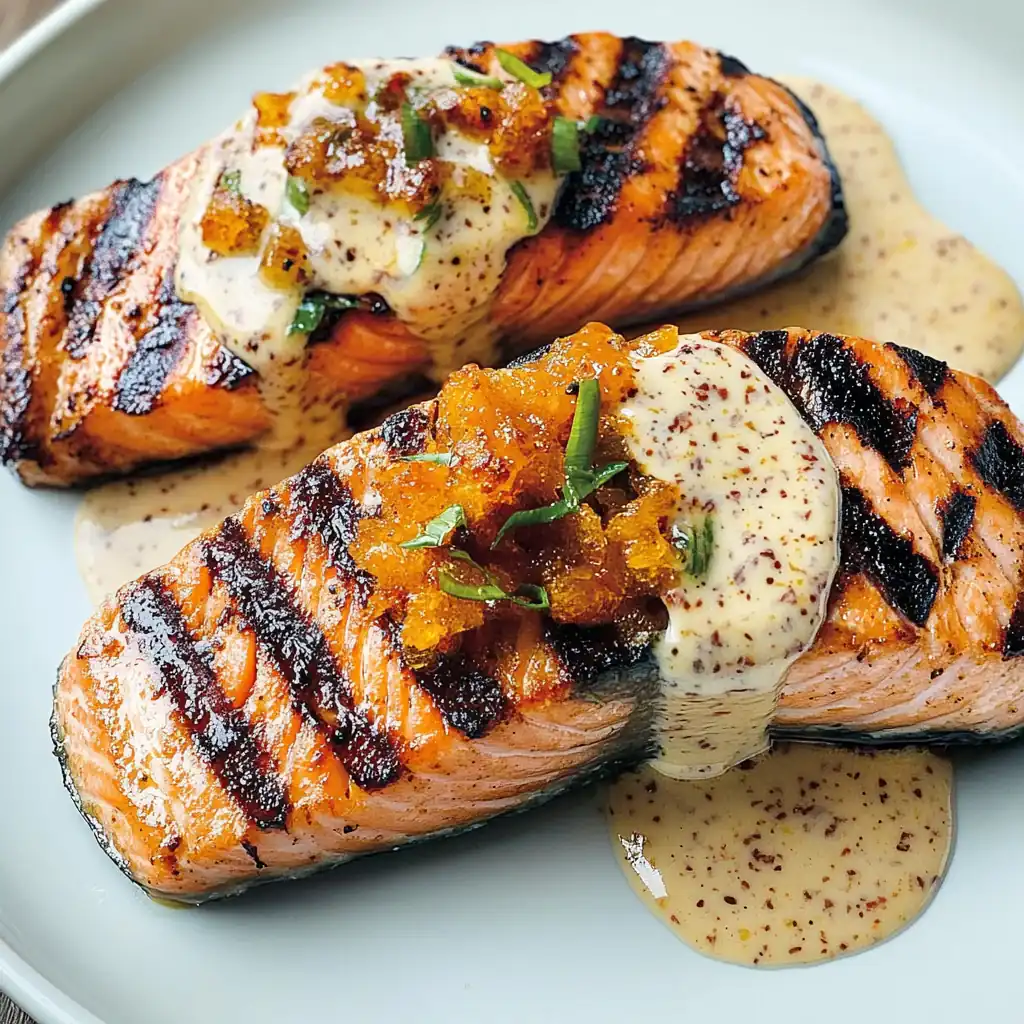 Let’s Make it Together |
- To ensure a deep infusion of flavor, whisk together the soy sauce, brown sugar, garlic, and paprika in a bowl before coating the proteins.
- Because beef requires more time to reach the core temperature, place the tenderloin on the high-heat zone of the grill first.
- To prevent the salmon from sticking to the grates, brush the grill surface with oil once it shimmers from the heat.
- Since salmon cooks rapidly, add the fillets to the grill only after the beef has been flipped and is halfway through its cooking process.
- To lock in the juices, remove the beef from the heat and let it rest on a warm platter for five minutes.
- To achieve a flaky texture without drying out the fish, pull the salmon off the grill as soon as the internal temperature hits 125 degrees Fahrenheit.
Avoid using a low flame, as the meat will steam rather than sear.
Pat the salmon dry with paper towels to ensure a crisp exterior.
Do not flip the proteins more than once to prevent moisture loss.
Use a meat thermometer to avoid guessing the doneness of the beef.
Keep the marinade chilled until the moment you apply it to the food.
Perfecting the Cooking Process |
The critical factor here is the temperature gradient. The beef needs a searing heat of roughly 450 degrees Fahrenheit to create a Maillard reaction, while the salmon requires a slightly more controlled environment to avoid burning the delicate skin. Maintaining two distinct zones on your grill allows you to shift the fish to a cooler area if the flare-ups become too intense.
Timing is the pivot upon which this dish succeeds. If you place them on simultaneously, the fish will be charcoal the beef reaches medium-rare. Always prioritize the beef’s lead time, allowing the salmon to spend only about four to six minutes per side depending on the thickness of the cut.
Add Your Touch |
But here’s the thing: this recipe is a canvas. For a Japanese twist, replace the brown sugar with mirin and add a sprinkle of toasted sesame seeds. If you are catering to a Paleo diet, swap the soy sauce for coconut aminos and use honey as the sweetener. For a seasonal summer vibe, grill sliced pineapple alongside the proteins to add a bright, acidic contrast.
That’s exactly why you can also experiment with the heat. Try rubbing the beef with a coffee-based dry rub for a deeper, smokier profile, or infuse the salmon with a lemon-dill compound butter after it leaves the grill. For those seeking a spicy kick, incorporate sriracha or crushed red pepper flakes into the marinade to challenge the palate.
Storing & Reheating |
Place the leftovers in separate airtight containers to prevent the fish oils from soaking into the beef. Store them in the refrigerator for no longer than three days to maintain food safety and texture.
To reheat, avoid the microwave, as it will make the salmon rubbery. Instead, warm the proteins in a low-heat oven at 250 degrees Fahrenheit until they reach an internal temperature of 140 degrees.
1Always salt the beef at least an hour before grilling to draw out moisture.
2Keep the salmon skin-on to protect the flesh from direct heat.
3Use a cast iron skillet on the grill for a superior beef crust.
4Baste the proteins with excess marinade during the final two minutes.
5Rest the meat on a wire rack to prevent the bottom from getting soggy.
FAQ |
- ●Q: Why does the salmon cook so much faster than the beef?A: Salmon has a much lower thermal mass and a different protein structure than beef tenderloin, meaning it reaches its target temperature rapidly. Because fish proteins denature at lower temperatures, they overcook quickly if left on the heat as long as a steak.
- ●Q: Can I use a frozen salmon fillet for this recipe?A: You must thaw the salmon completely in the refrigerator overnight before grilling. Grilling frozen fish results in an uneven cook where the outside burns while the center remains frozen, ruining the texture and safety of the meal.
- ●Q: What is the best way to tell if the beef is medium-rare?A: Use a digital meat thermometer to look for an internal temperature of 130 to 135 degrees Fahrenheit. If you don’t have a thermometer, press the center; it should have a springy resistance similar to the base of your thumb.
- ●Q: How do I stop the salmon from sticking to the grill?A: Ensure the grill is preheated and the grates are scrubbed clean of old residue. Apply a thin layer of high-smoke-point oil, like grapeseed or canola, directly to the fish skin rather than the grill itself for the best result.
Elevate Your Meals with Traditional Beef Grilled Salmon
A sophisticated fusion of grilled beef tenderloin and salmon fillets, glazed with a savory soy-garlic marinade.
- Prep Time: 20 minutes
- Cook Time: 20 minutes
- Total Time: 40 minutes
- Yield: 4 servings 1x
- Category: Dinner
- Method: Grilling
- Cuisine: Fusion
Ingredients
- 1 lb Beef Tenderloin, cut into steaks
- 4 Salmon Fillets (6oz each)
- 1/4 cup Soy Sauce
- 2 tbsp Brown Sugar
- 3 cloves Garlic, minced
- 1 tsp Smoked Paprika
- 2 tbsp Vegetable Oil
Instructions
- Mix soy sauce, brown sugar, garlic, and paprika to create the marinade.
- Coat beef and salmon in the marinade and let sit for 30 minutes.
- Preheat grill to high heat.
- Grill beef steaks for 4-6 minutes per side until desired doneness.
- Add salmon to the grill during the last 8 minutes of beef cooking.
- Cook salmon for 4 minutes per side until flaky.
- Rest beef for 5 minutes before serving.