
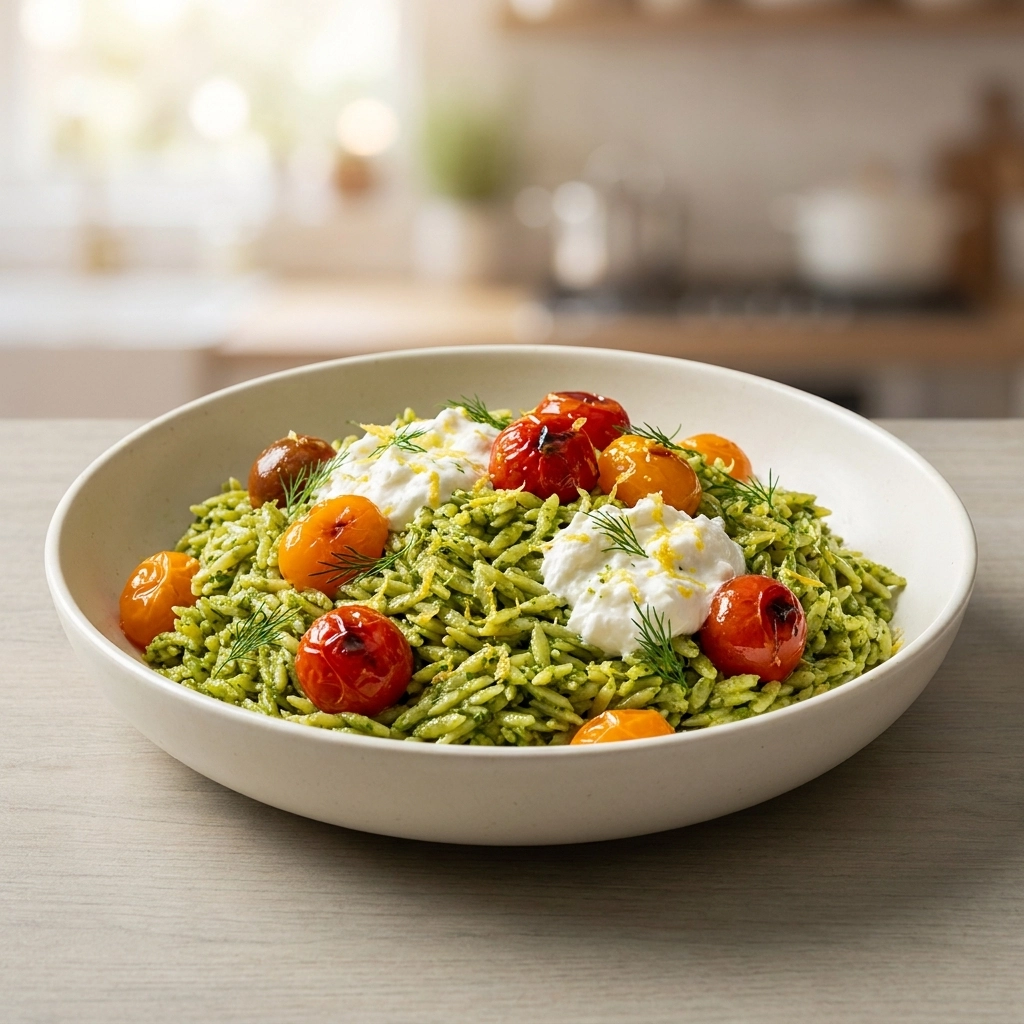
Who says a restaurant-quality pasta dish requires a culinary degree or hours of stressful labor? |
Imagine a late spring afternoon when the air is finally warming and the first batch of garden basil begins to scent the breeze. There is something deeply comforting about bringing those bright, green flavors into the kitchen while the sunlight streams through the window, promising a season of fresh produce and lighter meals.
You might feel intimidated of achieving a silky consistency without overcooking the grains, but I promise you have this under control. We will walk through every single movement together, ensuring that your kitchen remains a place of joy and your bowl ends up filled with a vibrant, nourishing meal that tastes like a vacation in Italy.
- ●The texture is wonderfully unique because the tiny pasta shapes create a creamy, risotto-like experience without the constant stirring. This makes it a sophisticated choice for guests while remaining simple for the cook.
- ●It utilizes a small handful of fresh ingredients to create a massive amount of flavor depth. You get the punch of garlic, the saltiness of cheese, and the brightness of basil in every single bite.
- ●This dish transitions seamlessly from a hearty main course to a side dish for grilled chicken or fish. Its versatility means you can fit it into any menu regardless of your protein choice.
- ●Preparation time is minimal, allowing you to spend more time relaxing and less time hovering over the stove. You can realistically have this on the table in under thirty minutes.
- ●The vibrant green color makes any dinner table look professionally curated and appetizing. It brings a visual freshness that encourages everyone to eat more vegetables.
Essential Ingredients |
Orzo is actually a pasta shaped like a grain of rice, which allows it to absorb sauces more efficiently than larger noodles. It provides the hearty base and chewy structure for the entire meal.
Basil contains a compound called linalool, which is also found in lavender, giving it that signature calming aroma. This herb provides the primary green hue and the signature peppery sweetness.
Parmesan Cheese was originally produced in the Reggio Emilia region and is aged for long periods to develop its crystalline texture. It adds a nutty, salty depth that binds the pesto to the pasta.
Olive Oil is a fruit-derived fat that has been a cornerstone of Mediterranean health for millennia. It acts as the emulsifier that carries the garlic and basil flavors across your palate.
Garlic is a member of the allium family and was historically used to boost stamina. It provides a pungent, savory backbone that prevents the dish from tasting too flat.
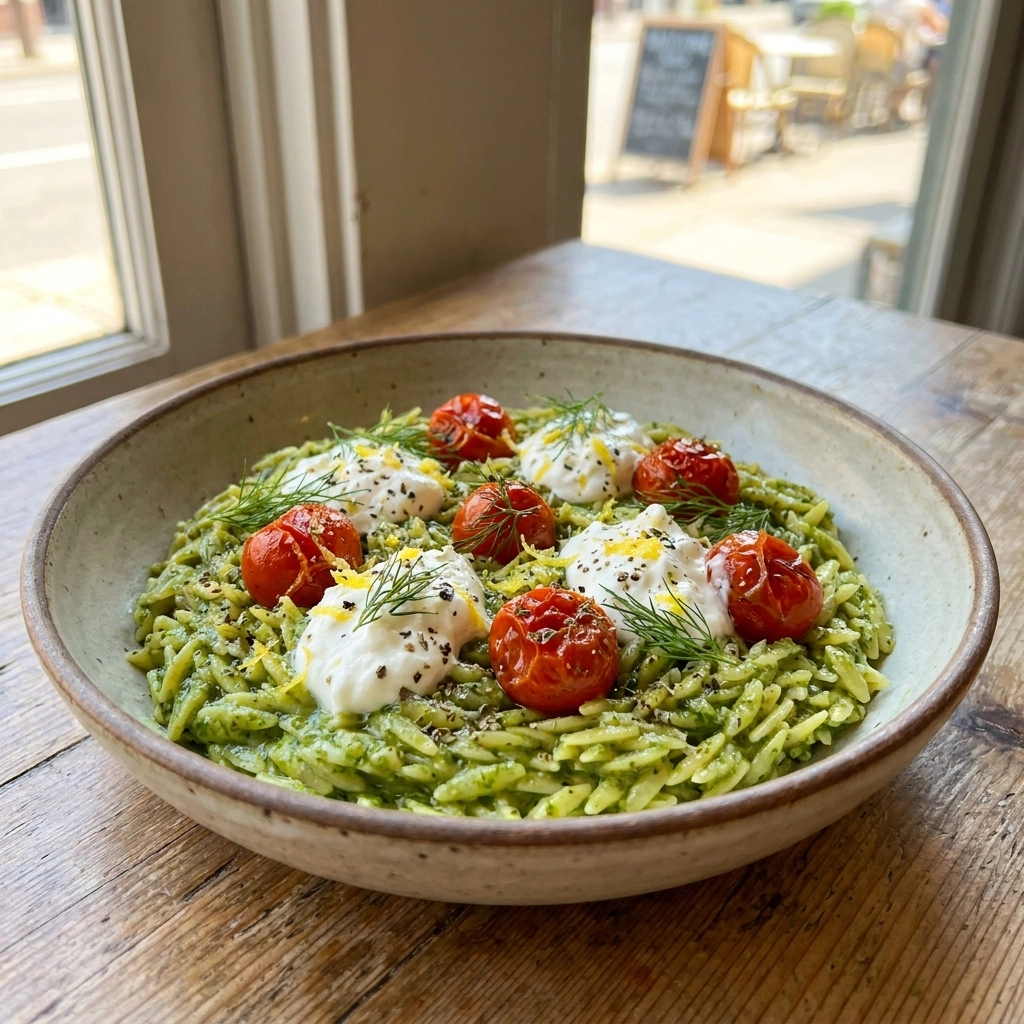 Let’s Make it Together |
- Boil a large pot of salted water and add the orzo, stirring occasionally to prevent sticking. Look for the pasta to be tender but still having a slight bite, and avoid boiling it until it becomes mushy.
- While the pasta cooks, place your basil, garlic, and parmesan into a food processor. Pulse until the mixture looks like a coarse paste, but be careful not to over-process it into a thin liquid.
- Slowly stream in the olive oil while the processor is running on low. The pesto should appear glossy and thick; avoid adding too much oil at once or the sauce may separate.
- Drain the orzo, but reserve a small cup of the starchy pasta water. This liquid gold is the secret to a creamy finish, so don’t make the mistake of pouring it all down the drain.
- Return the drained orzo to the warm pot and pour the pesto over the top. Stir gently until every grain is coated in green, ensuring you don’t mash the pasta grains.
- Gradually stir in a tablespoon of the reserved pasta water if the sauce seems too thick. The final result should glide across the plate, not clump together in a dry ball.
Always salt your boiling water heavily to season the pasta from the inside out.
Avoid heating the pesto over high heat as the basil can turn brown and lose its brightness.
If you don’t have a food processor, a mortar and pestle works beautifully for a chunkier texture.
Freshly grated cheese melts far better than the pre-shredded variety found in bags.
Check your orzo frequently during the last two minutes of boiling to prevent overcooking.
Perfecting the Cooking Process |
Control over the heat is the most vital part of this process. When you combine the pesto with the pasta, keep the burner on the lowest possible setting or turn it off entirely. The residual heat from the orzo is sufficient to warm the sauce without scorching the delicate basil leaves.
Timing the pesto creation to coincide with the boiling of the water ensures the ingredients stay fresh. sauce while the pasta is in the pot, you maximize efficiency and ensure the dish is served immediately while the textures are at their peak.
Add Your Touch |
For a bit of extra zest, stir in some halved cherry tomatoes or sautéed spinach during the final step. These additions introduce a burst of acidity or earthy bitterness that balances the richness of the cheese.
If you prefer a different nut profile, swap the traditional pine nuts for toasted walnuts or almonds. This change alters the crunch and adds a deeper, more rustic flavor to the overall experience.
Storing & Reheating |
Place any leftover pasta in an airtight container and refrigerate for up to four days. The pesto may soak into the orzo over time, making it appear slightly drier than it was when first served.
To reheat, add a splash of water or a drizzle of olive oil before microwaving. This restores the creamy emulsion and prevents the pasta from becoming gummy or dry in the microwave.
1Blanch your basil leaves quickly in boiling water and shock them in ice to keep the color neon green.
2Toast your garlic cloves slightly in a pan before blending to add a mellow, caramelized sweetness.
3Use a microplane for the parmesan to get the lightest, airiest shreds possible.
4Squeeze a bit of fresh lemon juice over the finished dish to wake up all the flavors.
5Keep a small amount of uncooked orzo in your pantry for those nights when you need a fast meal.
FAQ |
- ●Q: Can I use store-bought pesto instead of making it from scratch?A: Yes, you can use a high-quality store-bought variety if you are short on time. However, you may need to adjust the amount of salt you add to the dish, as commercial pestos often contain significantly more sodium than a homemade version.
- ●Q: Is there a way to make this recipe vegan or dairy-free?A: Absolutely, you can replace the parmesan cheese with nutritional yeast or a vegan parmesan alternative. This maintains the salty, cheesy profile while ensuring the dish remains plant-based, and it typically doesn’t change the cooking time or method at all.
- ●Q: What should I do if my pesto is too oily?A: If the oil has separated, simply add a few more basil leaves or a tablespoon of parmesan and pulse again. Alternatively, whisking in a tiny bit of the starchy pasta water can help bind the oil back into a creamy emulsion.
- ●Q: Which type of orzo is best for this specific recipe?A: A standard semolina orzo works best for this dish because it holds its shape well. Avoid using whole wheat orzo if you want the most traditional, silky texture, as the bran can make the final result feel a bit grainier.
Creamy Pesto Orzo with Fresh Basil and Parmesan
A velvety pasta dish combining tiny orzo grains with a vibrant, homemade basil pesto. This meal is comforting, fresh, and comes together quickly.
- Prep Time: 10 minutes
- Cook Time: 15 minutes
- Total Time: 25 minutes
- Yield: 4 servings 1x
- Category: Dinner
- Method: Stovetop
- Cuisine: Italian-inspired
Ingredients
- 1lb Orzo pasta
- 2 cups fresh basil leaves
- 1/2 cup grated Parmesan cheese
- 1/3 cup extra virgin olive oil
- 3 cloves garlic
- Salt and pepper to taste
Instructions
- Boil a large pot of salted water and cook orzo until al dente.
- Blend basil, garlic, and parmesan in a food processor until coarse.
- Slowly stream in olive oil while blending until glossy.
- Drain pasta, reserving 1/2 cup of pasta water.
- Toss cooked orzo with the prepared pesto in the pot.
- Thin with reserved pasta water if necessary and serve.