
The Radiance of a Homemade Broth |
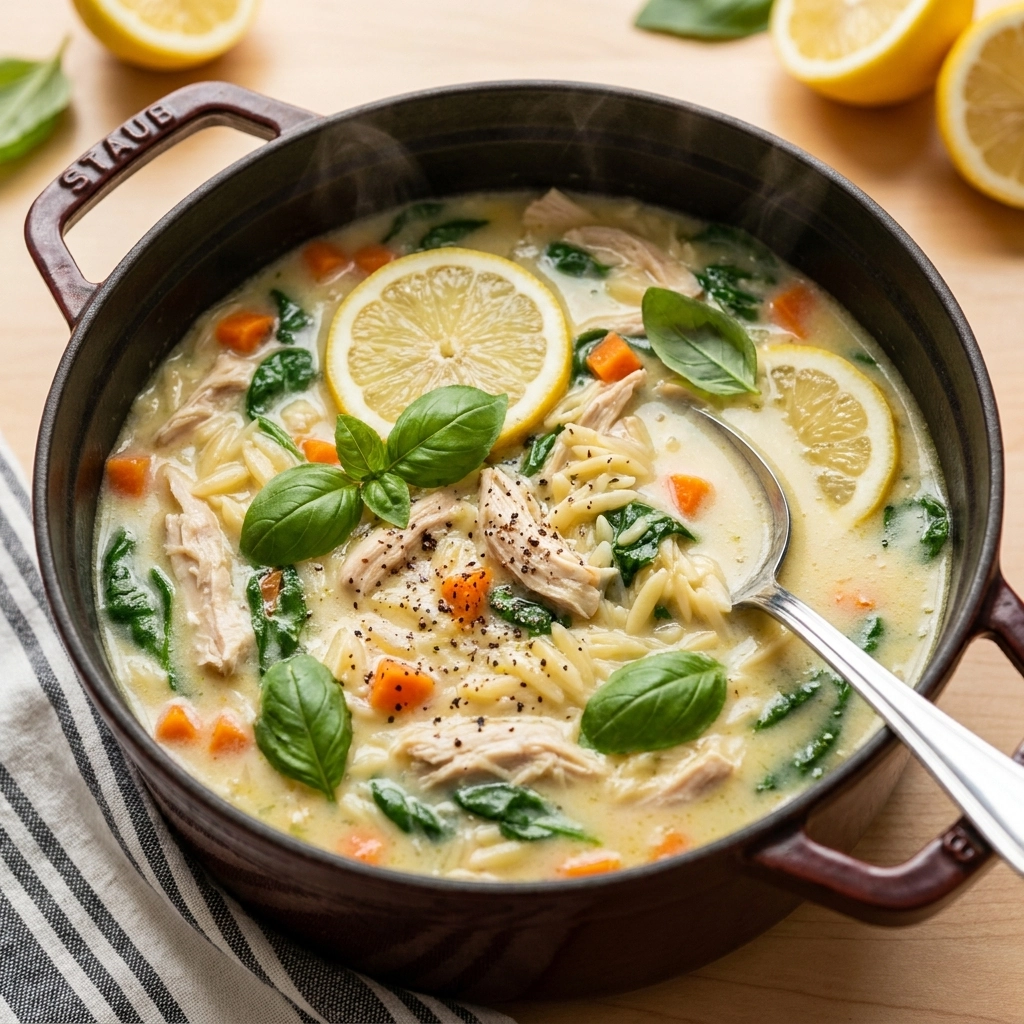
Many of us have suffered through a mediocre restaurant version of this soup, where the lemon is a mere afterthought and the pasta is a mushy, overcooked disaster. It lacks the soul and brightness that transforms a simple meal into a restorative experience. When you craft this at home, the citrus cuts through the richness of the chicken, creating a translucent, golden elixir that awakens every dormant taste bud on your tongue.
This dish reaches its peak during those grey, biting afternoons in late November when the air feels thin and damp. There is something profoundly healing about the scent of simmering lemon peel and fresh thyme wafting through a chilly house. It is a culinary hug. The warmth doesn’t just heat your body; it lifts your spirit against the gloom of the changing seasons.
- ●The flavor profile is perfectly balanced. The high acidity of the lemon juice prevents the chicken broth from tasting flat or overly salty.
- ●It offers a complete meal in one pot. Combining a protein, a starch, and aromatics means you spend less time cleaning up after dinner.
- ●The texture is sophisticated and varied. Al dente orzo provides a satisfying chew that contrasts beautifully with the tender, shredded chicken breast.
- ●Preparation is remarkably fast. You can move from chopping to serving in under forty minutes, making it ideal for hectic weeknights.
- ●It is naturally adaptable. Whether you are catering to a gluten-free guest or a vegetable-heavy diet, the base remains consistently delicious.
Essential Ingredients |
Chicken Breast: I prefer organic, air-chilled breasts for a cleaner taste. Without the chicken, you lose the essential protein and the savory depth that anchors the citrus notes.
Orzo Pasta: De Cecco is my gold standard for holding its shape. If you skip the orzo, you lose the heartiness that turns this from a light broth into a filling meal.
Fresh Lemons: Only use organic, seedless lemons for the brightest acidity. Bottled juice is a tragedy here; it lacks the floral aromatic oils found in fresh zest.
Chicken Bone Broth: Store-bought is fine, but a low-sodium version allows you to control the salt. Omitting a high-quality broth results in a thin, watery soup without body.
Carrots and Celery: I trust local farmers’ market produce for the best sweetness. Skipping these aromatics removes the earthy foundation that balances the sharp lemon.
Fresh Dill: I only use the tender stems and leaves. Without dill, the soup feels incomplete and lacks that signature Mediterranean freshness.
 Let’s Make it Together |
- The sear: Heat olive oil in a large pot over medium heat and brown the seasoned chicken breasts until golden on both sides.
- The aromatics: Remove the chicken and sauté the diced carrots, celery, and onions in the remaining fat until they soften.
- The simmer: Pour in the chicken broth and return the chicken to the pot, simmering gently until the meat is fully cooked.
- The pasta: Stir in the dry orzo and cook for about 8 to 10 minutes, ensuring the pasta reaches a perfect al dente texture.
- The shred: Remove the chicken breasts to a cutting board, shred them into bite-sized pieces, and return them to the simmering broth.
- The finish: Turn off the heat and stir in the fresh lemon juice, zest, and chopped dill for a vibrant, final flourish.
Never boil the lemon juice. High heat destroys the delicate citrus volatile oils.
Orzo absorbs liquid rapidly. Keep extra broth on hand if the soup thickens too much.
Avoid overcooking the pasta. It will continue to soften as it sits in the hot broth.
Use a heavy-bottomed pot. This prevents the vegetables from scorching during the initial sauté.
Always zest before juicing. It is nearly impossible to zest a squeezed lemon half.
Perfecting the Cooking Process |
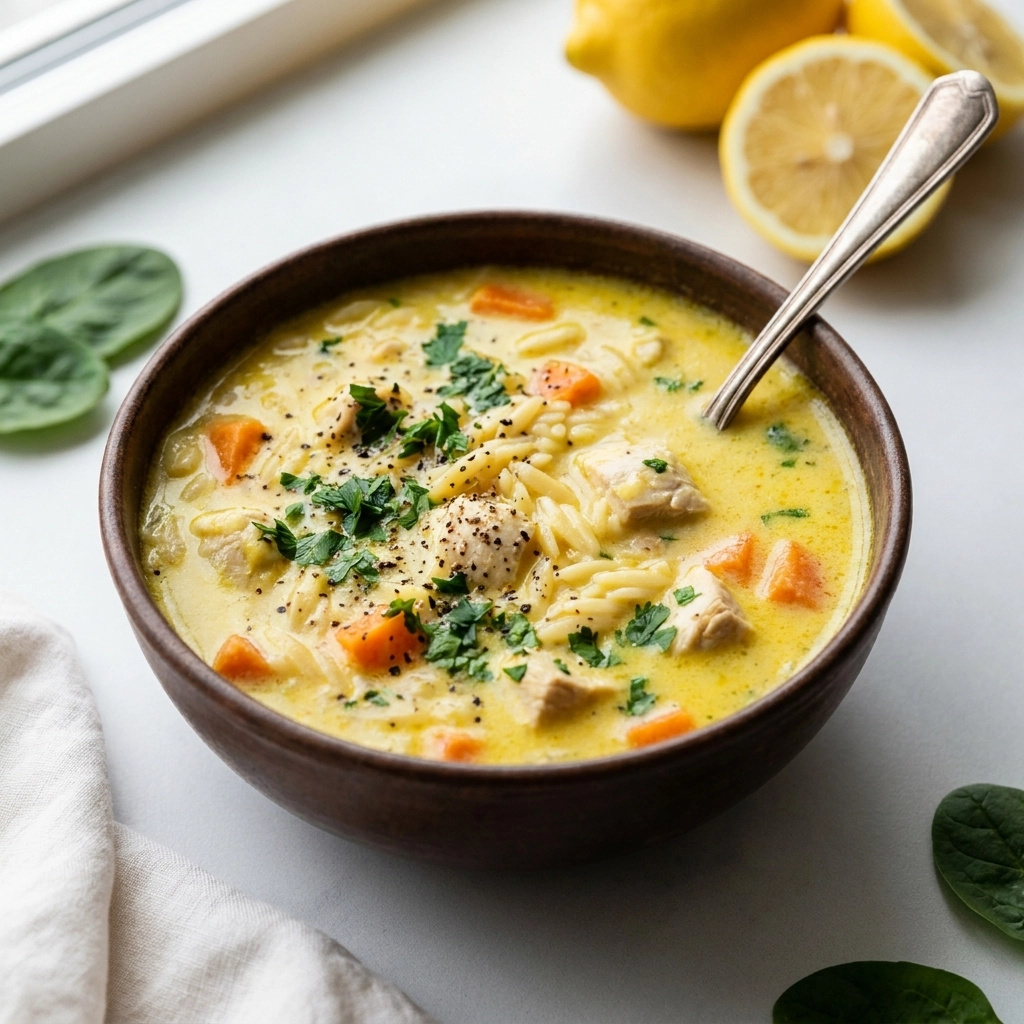
Temperature control is the secret to a clear broth. Keep your simmer at a gentle bubble rather than a rolling boil to prevent the fats from emulsifying into a cloudy mess. This ensures the liquid remains shimmering and golden, highlighting the natural colors of the carrots and herbs.
Timing the orzo is the most critical technical step. If you cook it in the soup for too long, the starch releases excessively, turning your broth into a thick porridge. Aim for the pasta to be just shy of done when you kill the heat, allowing residual warmth to finish the job.
Add Your Touch |
For a richer, more decadent experience, stir in a tablespoon of heavy cream or a dollop of Greek yogurt at the end. This adds a velvety mouthfeel that mellows the acidity of the lemon and creates a creamy, golden hue.
Experiment with the greens by adding a handful of ba chopped kale during the last two minutes of simmering. These additions introduce a pop of color and a boost of nutrients without altering the core flavor profile.
Storing & Reheating |
Store the soup in airtight glass containers in the refrigerator for up to four days. Because the orzo continues to soak up liquid in the fridge, you will notice the soup becomes significantly thicker over time.
Reheat the soup in a saucepan over medium heat. Add a splash of water or extra broth to restore the original consistency and a squeeze of fresh lemon to wake up the flavors.
1Sauté your onions until translucent, not brown, to keep the flavor clean.
2Salt the broth in stages to avoid an over-seasoned final product.
3Use a microplane for the zest to avoid the bitter white pith.
4Chill your dill in ice water before chopping to keep the leaves crisp.
5Deglaze the pot with a splash of white wine for extra complexity.
FAQ |
- ●Q: Can I make this soup without the orzo?A: Yes, you can substitute the orzo with brown rice, quinoa, or even cauliflower rice for a low-carb version. Keep in mind that the consistency will change, as orzo provides a specific creamy starchiness that other grains do not offer.
- ●Q: Why is my soup cloudy instead of clear?A: Cloudiness usually occurs when the broth is boiled too vigorously or when the orzo releases too much starch. Maintain a low simmer and avoid stirring the pasta too aggressively to keep the liquid translucent and bright.
- ●Q: Can I use rotisserie chicken to save time?A: Absolutely, using a pre-cooked rotisserie chicken is a fantastic shortcut. Simply add the shredded meat at the very end of the process and simmer for a few minutes just to heat it through and meld the flavors.
- ●Q: How do I prevent the orzo from getting mushy?A: The best method is to cook the orzo separately and add it to the bowl upon serving. If cooking in the pot, remove the soup from the heat the moment the pasta is al dente, as it will cook further in the hot liquid.
Lemon Chicken Orzo Soup: A Bowl of Sunshine and Comfort

A bright and restorative Mediterranean-style soup featuring tender chicken, hearty orzo, and a vibrant burst of fresh lemon.
- Prep Time: 15 minutes
- Cook Time: 25 minutes
- Total Time: 40 minutes
- Yield: 4 servings 1x
- Category: Dinner
- Method: Stovetop
- Cuisine: Mediterranean
Ingredients
- 1 lb chicken breast, cubed
- 1 cup orzo pasta
- 6 cups chicken bone broth
- 2 lemons, zested and juiced
- 2 carrots, diced
- 2 celery stalks, diced
- 1 small onion, diced
- 2 tbsp olive oil
- 1/4 cup fresh dill, chopped
- Salt and black pepper to taste
Instructions
- Brown the chicken breasts in olive oil over medium heat until golden.
- Remove chicken and sauté carrots, celery, and onion until softened.
- Add chicken broth and return chicken to the pot; simmer gently.
- Stir in orzo and cook for 8-10 minutes until al dente.
- Shred the chicken into the soup using two forks.
- Turn off heat and stir in lemon juice, zest, and fresh dill.