
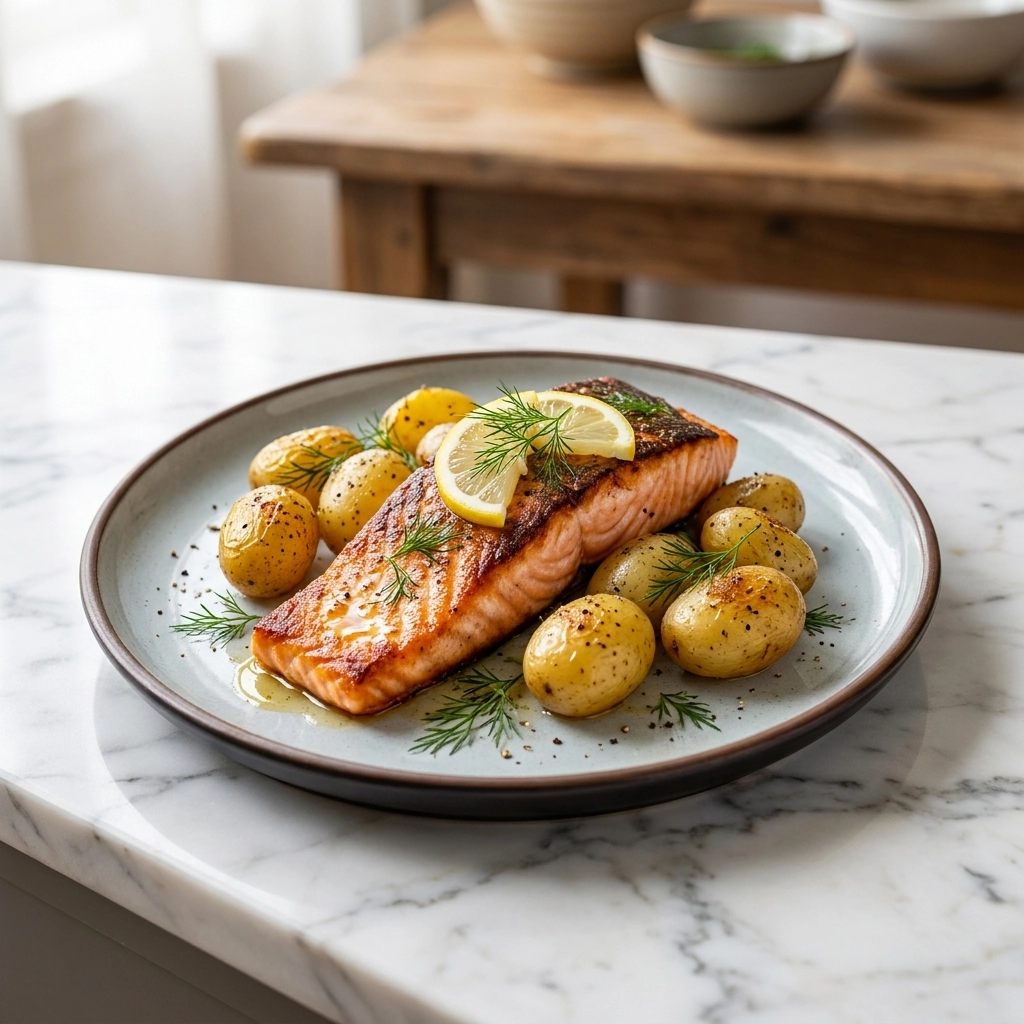
Bright citrus and earthy herbs fill the air as soon as the butter hits the pan.
Salmon contains astaxanthin, a pigment that provides its pink color and acts as a potent antioxidant far stronger than beta-carotene.
This recipe is a cohesive one-pan meal featuring seared salmon fillets and tender potatoes.
Readers appreciate this dish because it eliminates the need for multiple side dishes and pots.
Unlike store-bought frozen seafood dinners, this version utilizes fresh lemon and dill for a vibrant, clean taste.
It is a strategic choice for anyone needing a high-protein dinner without spending an hour at the stove.
If you love bold flavors, try our Irresistible Delicious Southern Salmon Patties Recipe
Follow the guide below to master this technique.
- ●Why You’ll Love This Recipe
- ●A Brief Background / Why This Recipe Works
- ●Perfect For Busy Weeknights
- ●Main Ingredient Spotlight
- ●Secondary Ingredient Spotlight
- ●Key Ingredients
- ●How to Make It
- ●Pro Tips
- ●Variations
- ●Best Ways to Serve
- ●Storage and Leftovers
- ●Frequently Asked Questions
- ●Why This Recipe Belongs in Your Weekly Rotation
- ●Final Thoughts
This skillet meal provides a balance of omega-3 fatty acids and complex carbohydrates in one vessel.
- ●Minimal cleanup since everything cooks in one skillet.
- ●High protein content to keep you full longer.
- ●Fresh dill adds a sophisticated, restaurant-style aroma.
- ●Potatoes absorb the salmon fats for a richer flavor.
- ●Lemon acidity cuts through the richness of the fish.
- ●Fast preparation time for those with tight schedules.
- ●Customizable vegetable additions to increase nutrition.
- ●Consistent results using a simple searing method.
- ●Budget-friendly when using seasonal gold potatoes.
- ●Naturally gluten-free ingredients.
It is a pragmatic solution for a high-quality meal.
A Brief Background / Why This Recipe Works |
The chemistry of this dish relies on the Maillard reaction. salmon and potatoes at a high temperature, you create brown, caramelized surfaces that hold deeper flavor profiles than steaming or boiling.
The acidity from the lemon juice serves a functional purpose beyond taste. It breaks down the proteins in the fish and prevents the butter from feeling too heavy on the palate.
Combining a starch and a protein in one pan allows the potatoes to act as a sponge for the rendered salmon fats. This creates a cohesive flavor profile where the potato tastes like the fish, and the fish is enhanced .
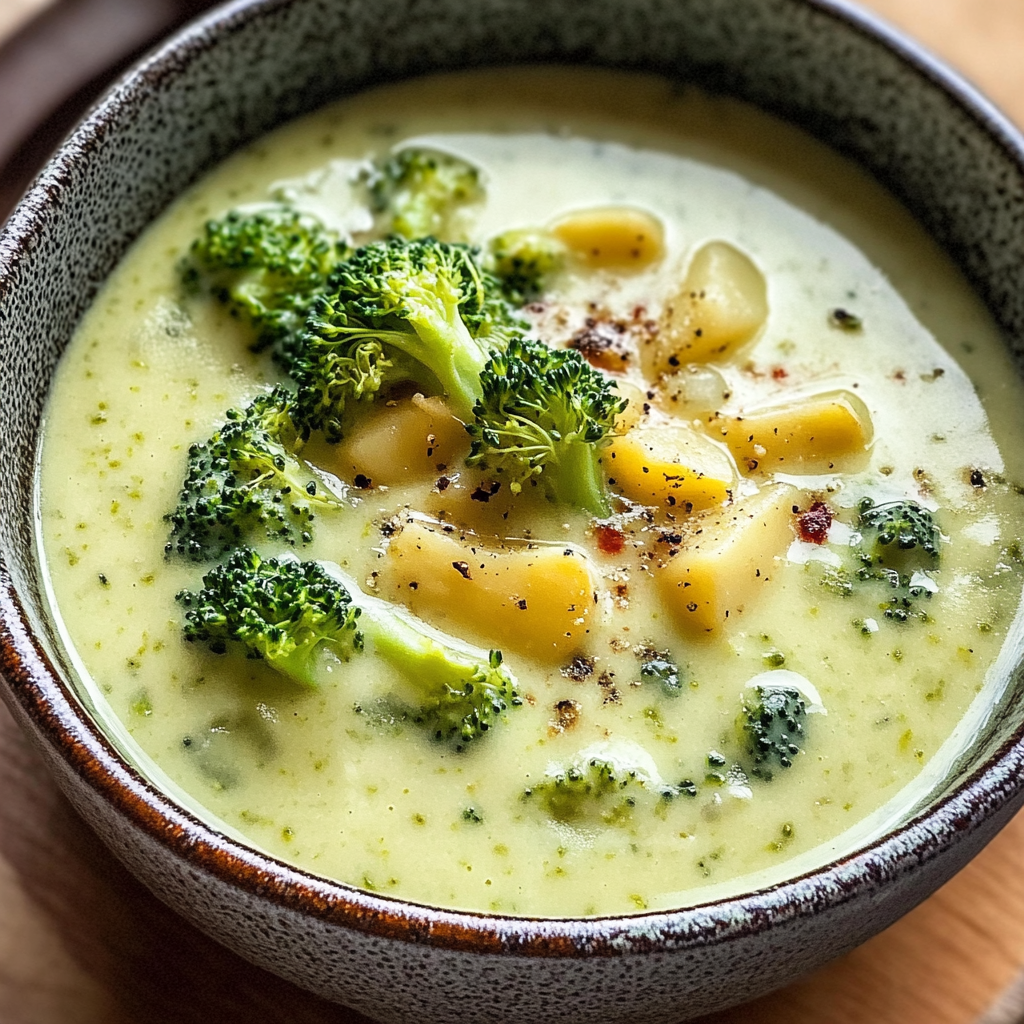
Try our Broccoli Potato Soup Mouthwatering 1.Png for more potato-based inspiration.
The result is a balanced, nutrient-dense meal that satisfies several cravings at once.
Perfect For Busy Weeknights |
Time is the most valuable resource on a Tuesday night. This recipe maximizes efficiency by using a single pan, meaning you spend less time scrubbing and more time relaxing.
For meal prep enthusiasts, these components hold up well when portioned into containers. The potatoes maintain their texture, and the salmon remains moist when reheated gently.
Family dinners benefit from the one-pan presentation, making it a visual centerpiece that feels curated despite the low effort required. It is also a refined enough dish to serve during small holiday gatherings or brunches.
Main Ingredient Spotlight |
Salmon is the anchor of this dish. Its high fat content allows it to withstand the high heat of a skillet without drying out immediately. The omega-3 fatty acids not only provide health benefits but also contribute to a buttery mouthfeel that pairs naturally with lemon.
Secondary Ingredient Spotlight |
Fresh dill is a member of the carrot family and possesses a distinct, grassy sweetness. Unlike dried herbs, fresh dill contains volatile oils that release a bright, aromatic scent when exposed to heat.
Dill acts as a bridge between the richness of the salmon and the neutrality of the potatoes. It provides a top note that lifts the entire dish, ensuring it does not taste one-dimensional.
Key Ingredients |
Each component is selected for its ability to contribute to the overall texture and flavor profile.
- ●Salmon Fillets — provides the essential protein and healthy fats.
- ●Gold Potatoes — offers a creamy texture and natural sweetness.
- ●Fresh Dill — adds a bright, herbaceous aromatic quality.
- ●Lemon — provides the acidity needed to balance the fats.
- ●Butter — creates a rich sauce and aids in the searing process.
- ●Garlic — introduces a pungent, savory depth.
- ●Olive Oil — ensures the potatoes brown without sticking.
- ●Salt and Pepper — the fundamental enhancers for all other flavors.
 How to Make It |
Precision in timing and temperature is the difference between flaky fish and rubbery protein.
- Prepare the potatoes: To ensure the potatoes finish at the same time as the fish, dice them into small, uniform 1/2-inch cubes. This increases the surface area for browning and reduces the cooking time from 30 minutes to about 12 minutes.
- Sear the potatoes: To achieve a golden-brown crust, heat olive oil in a large skillet over medium-high heat (about 375F). Add the potato cubes and sauté for 8-10 minutes. Do not stir too often, as the potatoes need direct contact with the hot metal to caramelize.
- Sauté the aromatics: To prevent the garlic from burning and becoming bitter, add it only after the potatoes are nearly done. Stir in the minced garlic and a knob of butter for 60 seconds until fragrant.
- Sear the salmon: To create a crisp exterior and a tender interior, pat the salmon fillets completely dry with paper towels before seasoning. Place them skin-side down in the skillet. Press them down slightly with a spatula for 30 seconds to ensure maximum skin contact. Cook for 4-5 minutes without moving them.
- Flip and baste: To cook the fish evenly and infuse it with flavor, flip the fillets and add the remaining butter and lemon juice. Use a spoon to continuously pour the bubbling lemon butter over the salmon for the final 3 minutes of cooking.
- Finish with herbs: To keep the dill from wilting or losing its bright flavor, stir it in at the very last second. Remove the pan from the heat and fold in the fresh chopped dill.
Precision is everything.
1Small adjustments in technique lead to significant improvements in the final result.
- ●2Dry the Fish:Moisture is the enemy of searing. Always pat the salmon dry to avoid steaming the fish.
- ●3Temperature Check:Use a meat thermometer. Pull the salmon off the heat when it hits 135F for a medium-rare finish.
- ●4Cold Butter:Use chilled butter for basting. Cold butter emulsifies better with the lemon juice, creating a thicker sauce.
- ●5Uniform Cutting:Consistency matters. If potatoes vary in size, some will be mushy while others remain raw.
- ●6Rest the Fish:Let the protein relax. Allow the salmon to sit for 3 minutes before serving to redistribute the juices.
7Check out Rich Salmon Piccata Pasta 1.Webp for another way to use lemon and salmon.

Variations |
Modify the base components to suit your dietary needs or seasonal preferences.
- ●Low Carb: Swap the potatoes for cauliflower florets or sliced zucchini.
- ●Spicy Twist: Add red pepper flakes to the butter baste for a subtle heat.
- ●Green Boost: Stir in a handful of fresh ba the last minute of cooking.
- ●Nutty Flavor: Replace butter with ghee or coconut oil for a different aromatic profile.
- ●Different Herb: Use fresh parsley or chives if dill is unavailable.
These changes maintain the integrity of the dish while offering new perspectives.
Best Ways to Serve |
Presentation enhances the perception of the meal.
- ●Plate the potatoes first as a bed for the salmon fillet.
- ●Drizzle the remaining lemon butter from the pan over the top.
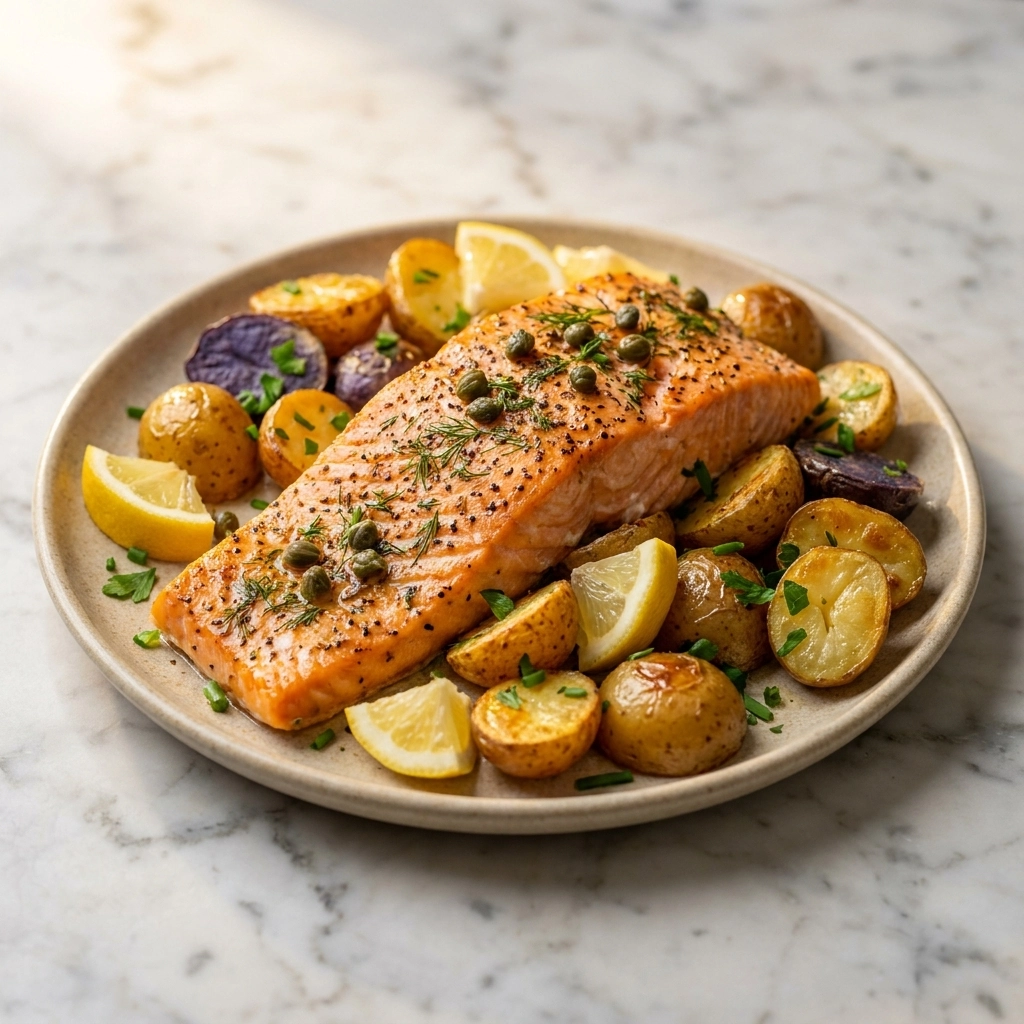
- ●Garnish with extra fresh dill sprigs and a lemon wedge.
- ●Serve alongside steamed asparagus or a crisp arugula salad.
The contrast between the golden potatoes and the pink salmon makes this a visually striking meal. Using a wide, shallow bowl helps contain the butter sauce.
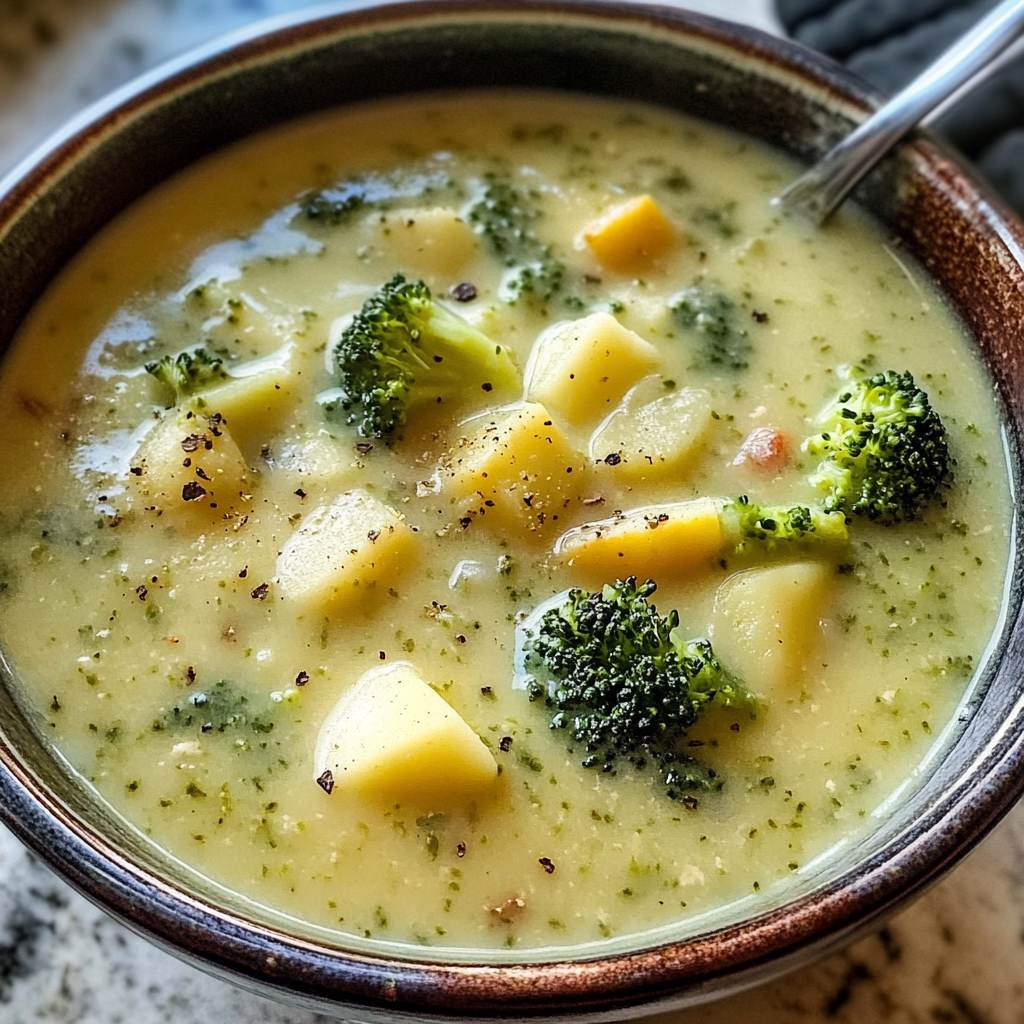
If you are looking for a side dish, Broccoli Potato Soup Mouthwatering 2.Png provides a comforting companion to this skillet meal.
Storage and Leftovers |
Refrigerating
Place leftovers in an airtight container and store in the refrigerator for up to 2 days. Ensure the fish is completely cooled before sealing to prevent condensation.
Reheating
Reheat the dish in a skillet over medium-low heat with a splash of water or a small pat of butter. This prevents the salmon from drying out and restores the sauce consistency.
Freezing
Freezing is not recommended for this specific dish. The texture of the potatoes becomes mealy and the salmon can become overly dry upon thawing.
Frequently Asked Questions |
- ●Q: Can I use frozen salmon for this recipe?A: Yes, you can use frozen fillets, but you must thaw them completely in the refrigerator overnight. If you sear frozen or partially frozen fish, the exterior will burn before the interior reaches a safe temperature, and the excess water will prevent a proper crust from forming.
- ●Q: Which type of potato is best for this skillet?A: Yukon Gold or ba are the best choice because they have a naturally creamy texture and hold their shape well. Russet potatoes tend to fall apart and become too floury when sautéed in butter, which would ruin the consistency of the skillet meal.
- ●Q: How do I tell when the salmon is perfectly cooked?A: The salmon is done when the flesh changes from translucent to opaque and flakes easily with a fork. For the best results, use an instant-read thermometer to hit an internal temperature of 135F to 145F depending on your preference for doneness.
- ●Q: Can I use dried dill instead of fresh?A: You can use dried dill, but the flavor is significantly more muted and less bright. If using dried, use only one-third of the amount called for in the fresh measurement and add it earlier in the cooking process so it has time to rehydrate.
- ●Q: What if I don’t have a cast-iron skillet?A: A heavy stainless steel or non-stick skillet will work perfectly fine. The main goal is to have a pan that distributes heat evenly and allows you to maintain a medium-high temperature without the butter burning instantly.
Why This Recipe Belongs in Your Weekly Rotation |
This meal solves the common struggle of balancing nutrition with time. It provides a high-quality protein and a satisfying starch without requiring an entire kitchen of equipment.
The flavor profile is sophisticated enough for guests but simple enough for a Monday night. It proves that a few high-quality ingredients can outweigh a long list of mediocre ones.
Integrating this into your routine reduces decision fatigue and ensures you are eating nutrient-dense foods. It is a reliable, consistent winner for any household.
Final Thoughts |
This Lemon Dill Salmon Potato Skillet combines searing techniques with fresh aromatics to create a cohesive, one-pan dinner. It utilizes the science of caramelization and acidity to deliver a high-end taste with minimal effort.
You should make this recipe because it streamlines your cooking process while elevating your nutrition. It removes the stress of multitasking between different burners and pots.
Get your skillet hot and bring this vibrant meal to your table tonight.
Lemon Dill Salmon Potato Skillet
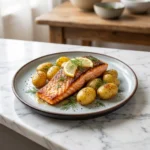
A hearty and bright one-pan meal featuring seared salmon fillets and golden potatoes tossed in a lemon-butter dill sauce.
- Prep Time: 15 minutes
- Cook Time: 25 minutes
- Total Time: 40 minutes
- Yield: 4 servings 1x
- Category: Dinner
- Method: Searing
- Cuisine: American
Ingredients
- 4 salmon fillets
- 1 lb Yukon Gold potatoes, diced into 1/2 inch cubes
- 3 tablespoons salted butter
- 2 tablespoons olive oil
- 1 lemon, juiced
- 1/4 cup fresh dill, chopped
- 3 cloves garlic, minced
- Salt and black pepper to taste
Instructions
- Heat olive oil in a large skillet over medium-high heat.
- Add diced potatoes and sauté for 8-10 minutes until golden brown.
- Stir in minced garlic and one tablespoon of butter; cook for 1 minute.
- Season salmon with salt and pepper and place skin-side down in the pan.
- Cook salmon for 4-5 minutes per side until opaque.
- Add remaining butter and lemon juice to the pan, basting the fish for the last 3 minutes.
- Remove from heat and stir in fresh chopped dill before serving.